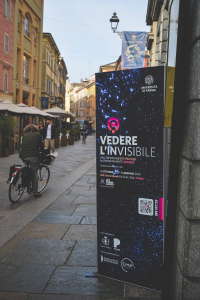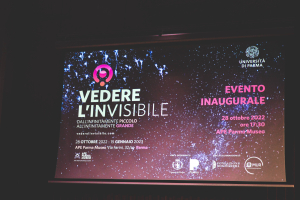
Vedere l’invisibile. Dall’infinitamente piccolo, all’infinitamente grande
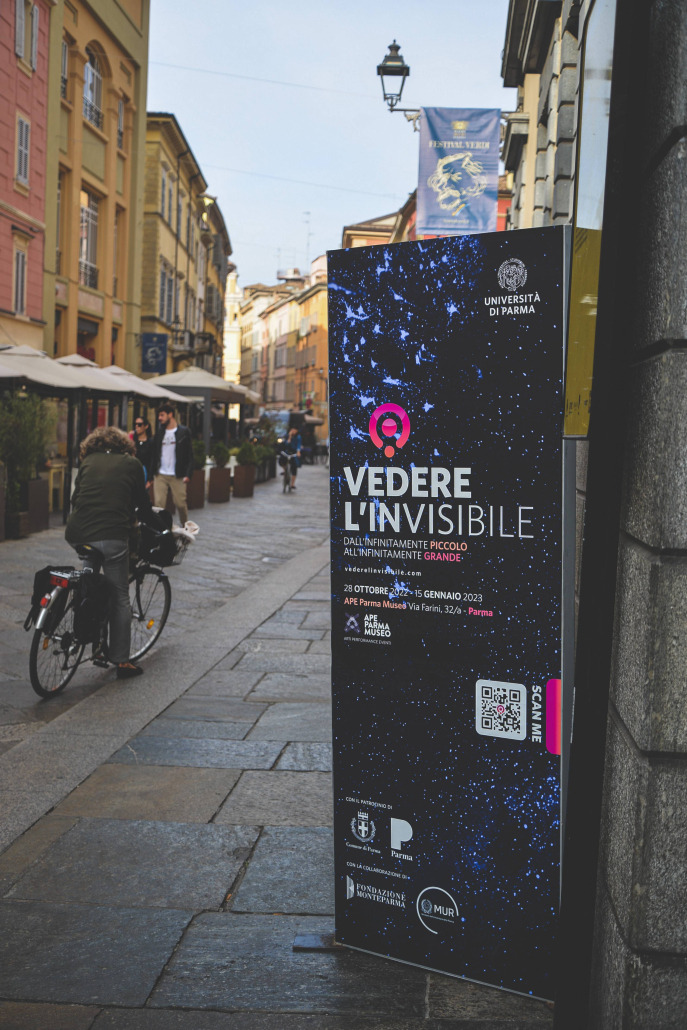
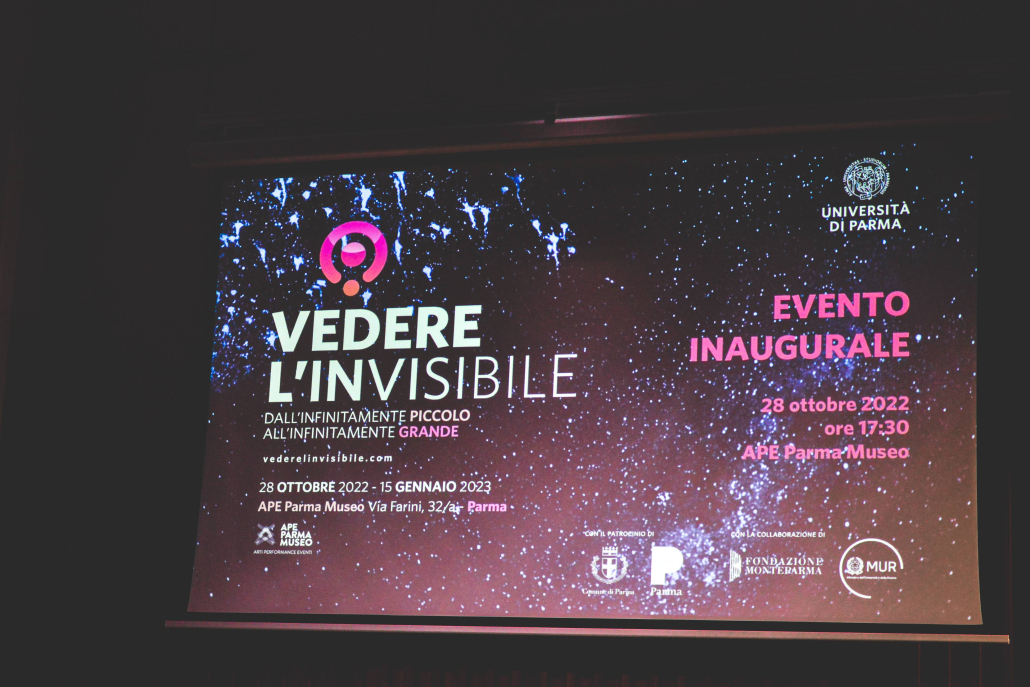
28 October 2022/26 February 2023
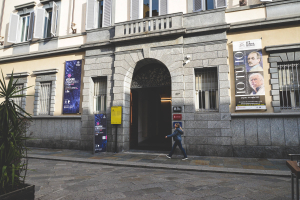
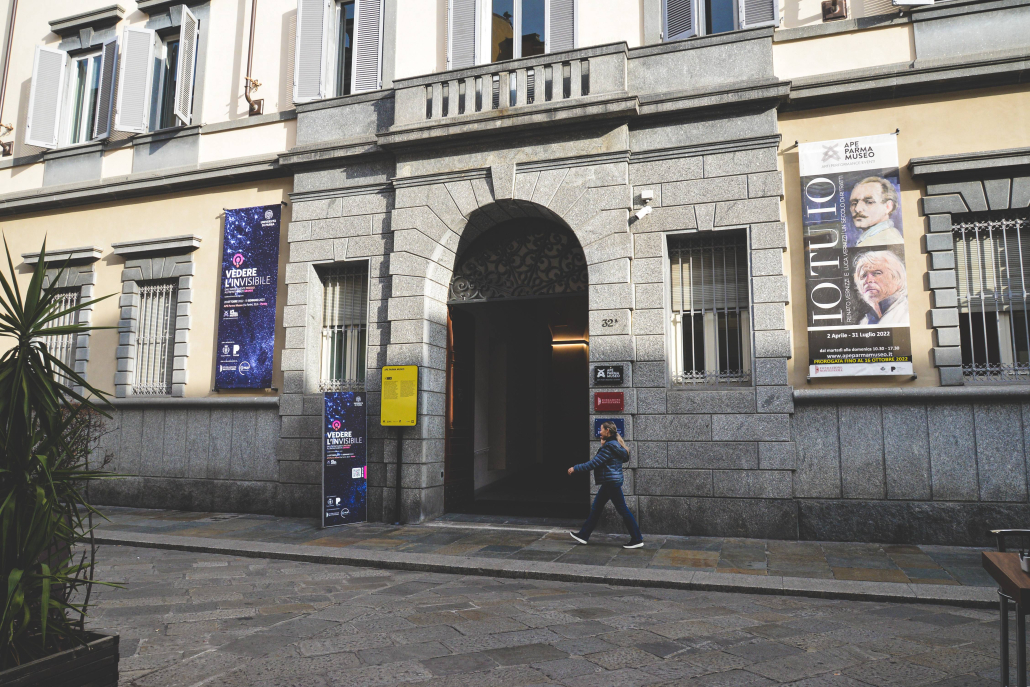
APE Parma Museo
Strada Farini, 32/a, Parma
The leitmotif of the exhibition concerns an exceptional range of scales from the subatomic particles of the infinitely small to the extreme distances of our universe of the infinitely large, passing through the invisible, either because it is inside the human body or because it is inside the ground or because it concerns the hidden digital environment of cities.
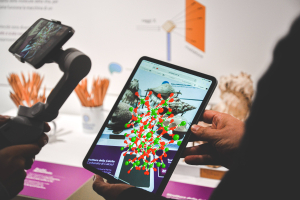
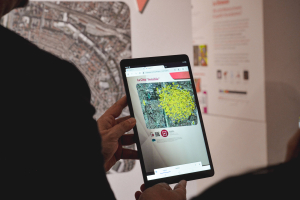
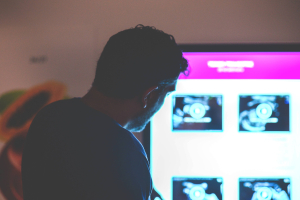
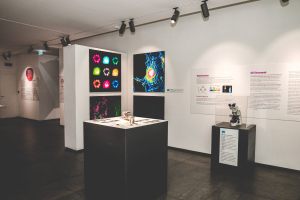
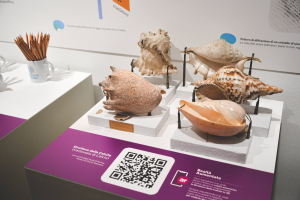
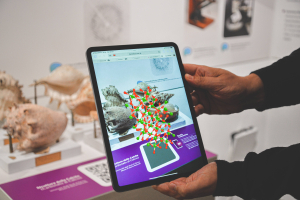
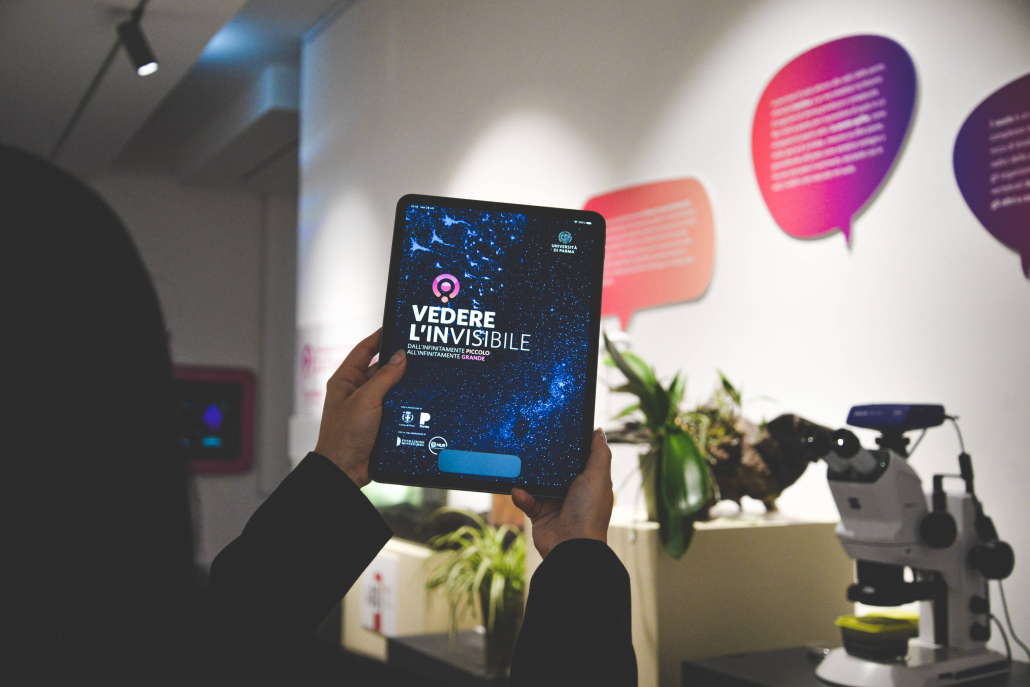
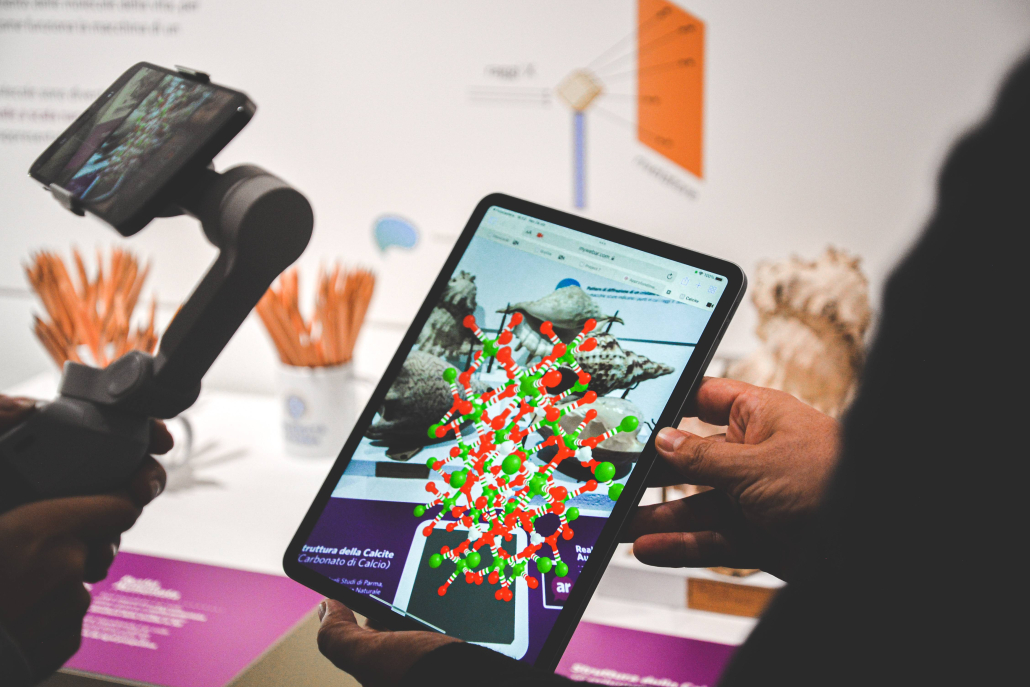
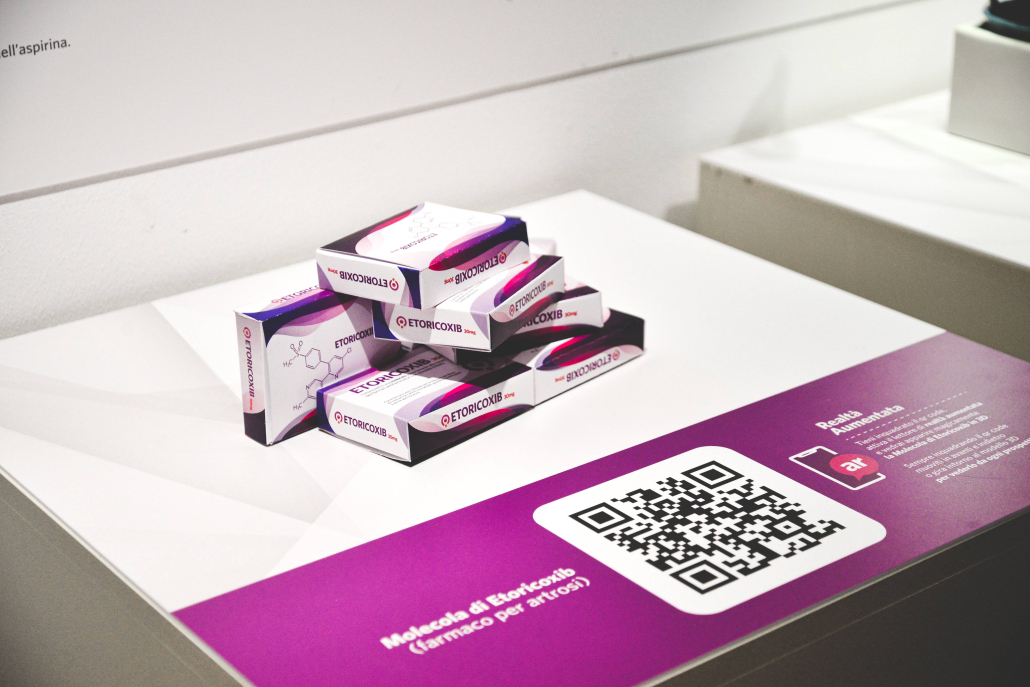
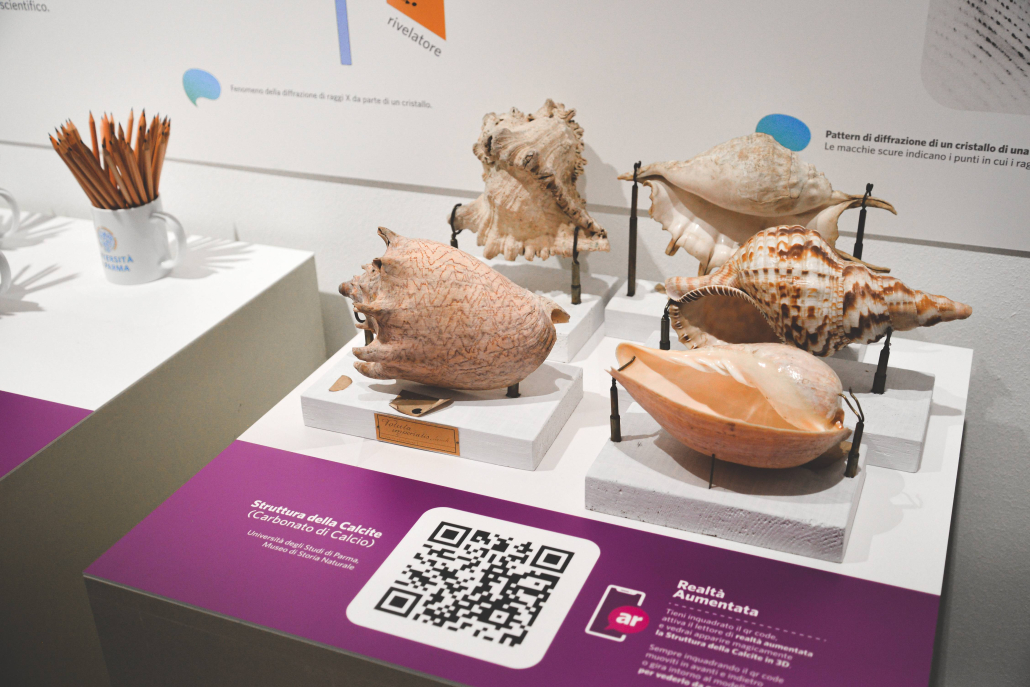
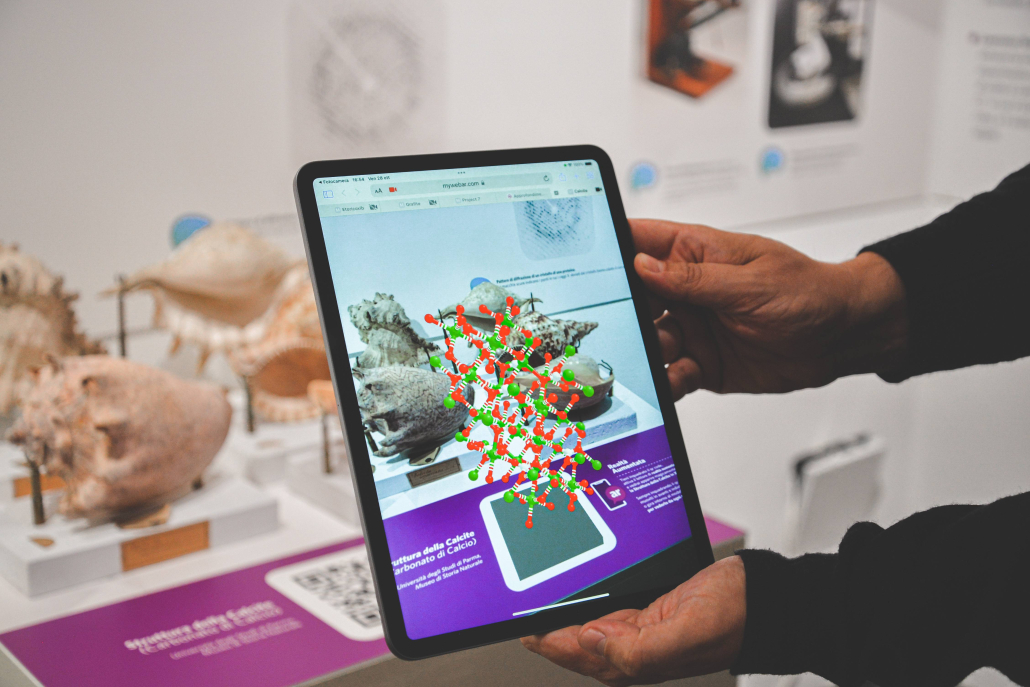
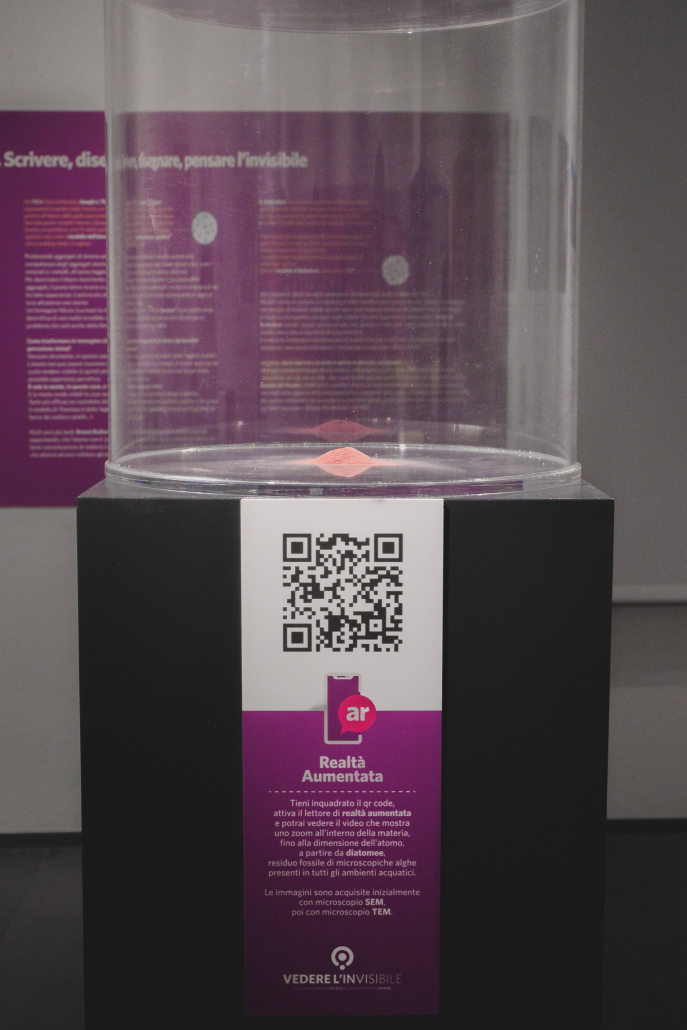
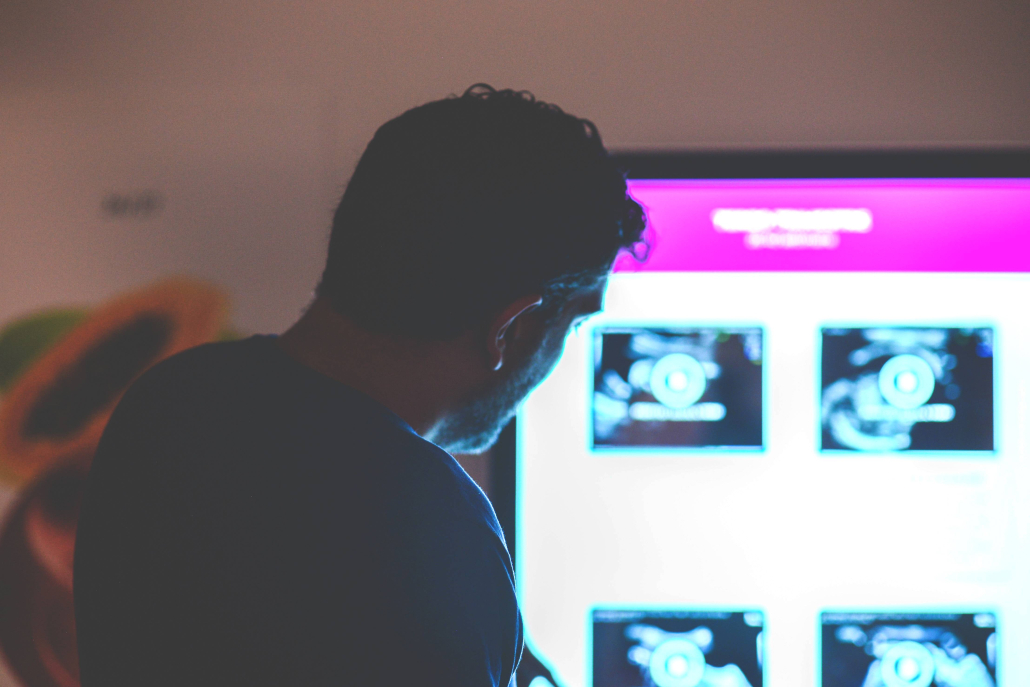
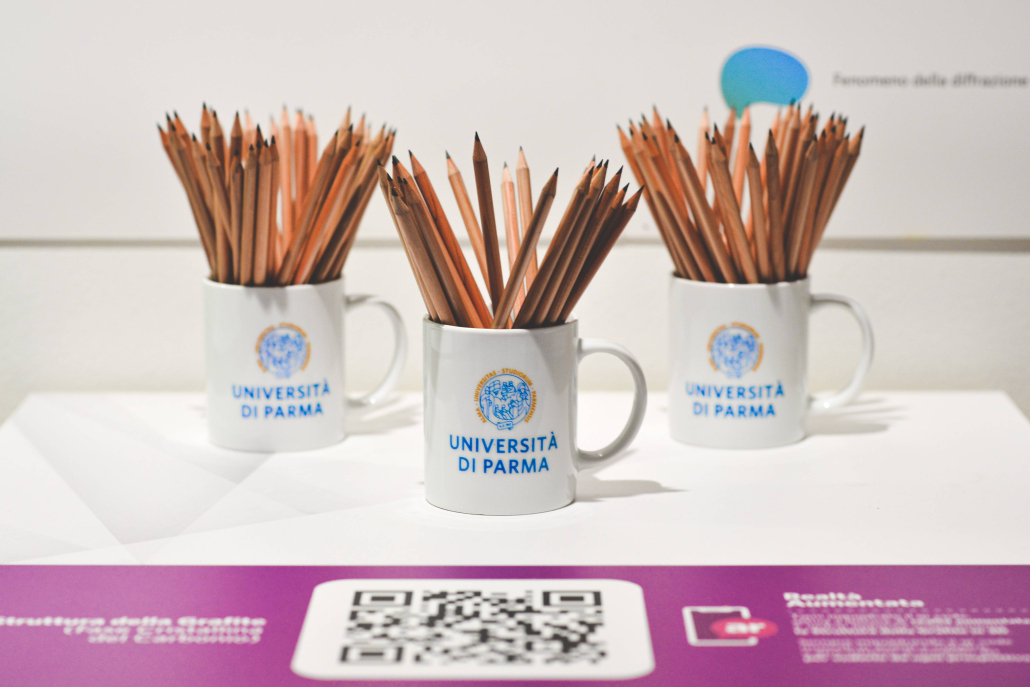
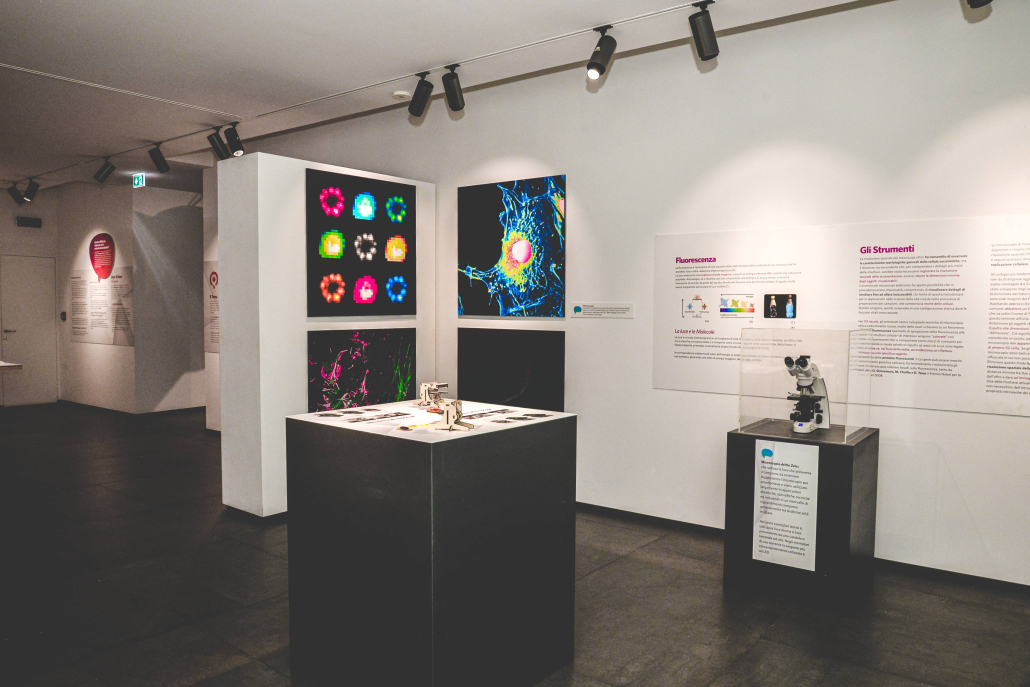
The exhibition recounts the invisible through ENLARGED REALITY, the display of HISTORICAL INSTRUMENTS, the projection of IMAGES AND VIDEOS with the presence of INTERACTIVE EXHIBITS and explanatory panels.
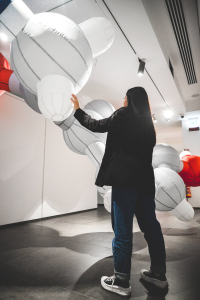
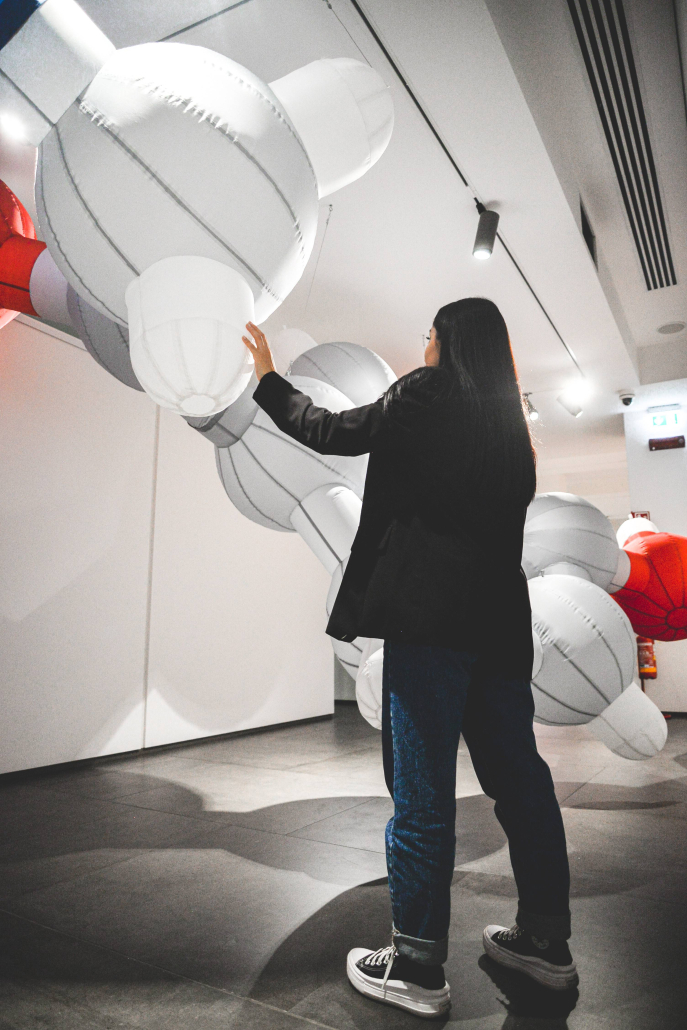
ROOM ZERO: the infinitely close, immersed in the everyday
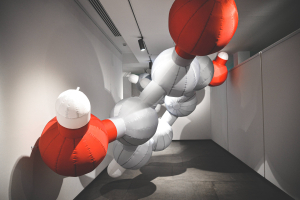
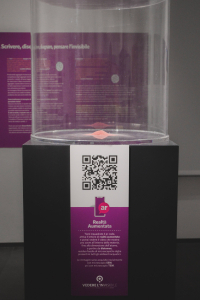
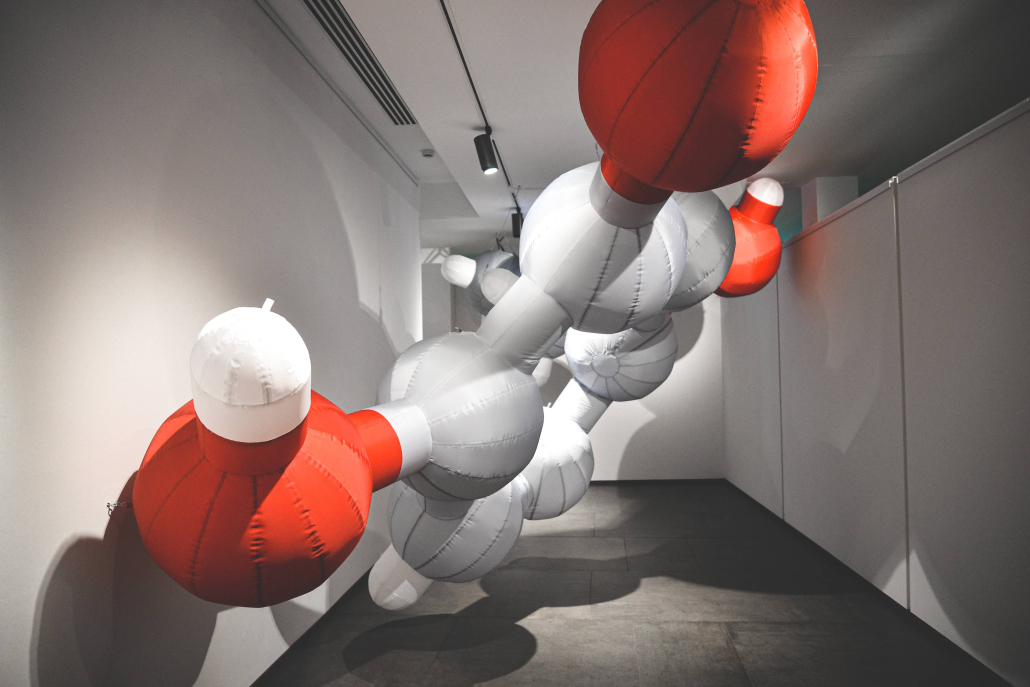
The artistic introduction of this first room invites us to study the theme of the Invisible by reversing its point of view.
Introduction to the sections
The term invisible has been used to define how much, object, thing or phenomenon is hidden from the sight of the human eye.
There are many reasons for this: because it is too small or too far away, or simply because it is hidden from view.
Scientific instruments thus become a real extension of the eye, allowing us to broaden our knowledge of the world and the human being by observing things and phenomena that were previously invisible and discovering new ones in order to study, understand and, if necessary, modify them.
The exhibition is intended as a brief overview of this ongoing investigation into the invisible, scientific, artistic and literary, through examples from the past, contemporary research and technologies and future developments.
The exhibition is divided into four main sections:
– The Zero Room: The Infinitely Near, Immersed in the Everyday
– The Invisible because infinitely small
– The Invisible because it is hidden
– The Invisible because far away, coming from afar or insensible to the eyes
ROOM ZERO: THE INFINITELY CLOSE, IMMERSED IN THE EVERYDAY
The artistic introduction to this first room invites us to study the theme of the Invisible by reversing the point of view.
The Invisible is not ‘hidden because it is hidden from view’, but on the contrary, it is already in front of our eyes: it is we who do not see it, who are no longer aware of it.
Invisibility is not caused by the infinitely small, hidden or distant. This is why in ‘Zero Room’ the Subject is placed at the centre of the problem, and of its solution. The problem is therefore not Reality, but Man who immerses himself in it and confronts it unconsciously.
THE INVISIBLE BECAUSE INFINITELY SMALL
In this section, starting with the smallest material particle known to date, we show the elements that are invisible because they are too small to be seen by the human eye. The tour then moves on from electrons, through atoms and molecules, and ends with the biological parts that make up viruses and cells.
1. DEFLECTING ELECTRONS
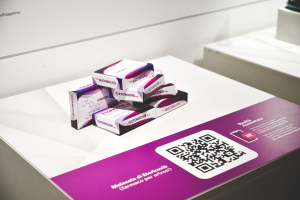
The electron was the first subatomic particle observed; it is the lightest and also the smallest. It has a negative electric charge and, together with protons and neutrons, makes up the atom, and its number determines its chemical properties.
On display is a cathode ray tube, an instrument developed by the English physicist William Crookes in the second half of the 19th century, who revealed that cathode rays are nothing more than beams of electrons accelerated by electric fields in the tube. With this observation, elementary particle physics began.
What if I told you that you too can MOVE ELECTRONS? Come and find out how!
2. ATOMS
Have you ever seen an atom? It is an object a million times smaller than a human hair, five thousand times smaller than the wavelength of light! A size invisible to our eyes and even to the most powerful optical microscopes, which use light to illuminate objects.
Yet, thanks to the impressive progress made in recent decades in the field of microscopy, it is now possible to look inside matter, right down to the atoms. Ready for the journey?
3. THE MOLECULE UNVEILED
Our eyes can see molecules because they are too small to be illuminated by visible light. Not even the most powerful optical microscopes are capable of magnifying the image of a molecule, and indeed the existence and structure of molecules was controversial until the end of the 19th century.
However, if we search for an image of the aspirin molecule on the web, we find many pictures showing coloured balls and sticks connected together (ball&stick), which look just like aspirin molecules. This is an example of a molecule model. What if I told you that you could cross one?
4. MOLECULAR LANDSCAPES
There are microscopes so special that they can detect the profiles of molecules attached to surfaces: atomic force microscopes (AFM). Reliefs or depressions on the surface of the sample move this tiny stylus that records the patterns, like a real profilometer, but much smaller (a few microns or even a few nanometres). We have enlarged parts of it just for you!
5. CORONAVIRUSES ON THE ATTACK
Viruses, although incapable of independent life, are among the oldest living forms. Ten per cent of our genetic material is made up of relics of retroviruses that invaded the genome of our (non-human) ancestors some 100 million years ago and then contributed to the evolution of our genome.
As we are seeing in the last 3 years, viruses evolve very quickly, can jump from one host species to another, and can do us harm. Very badly!
Understanding how viruses are made and how they work is therefore essential for developing new and increasingly effective containment and prevention strategies: vaccines, but not only…
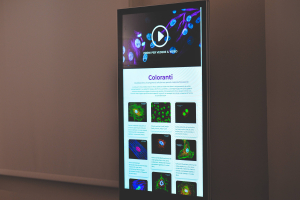
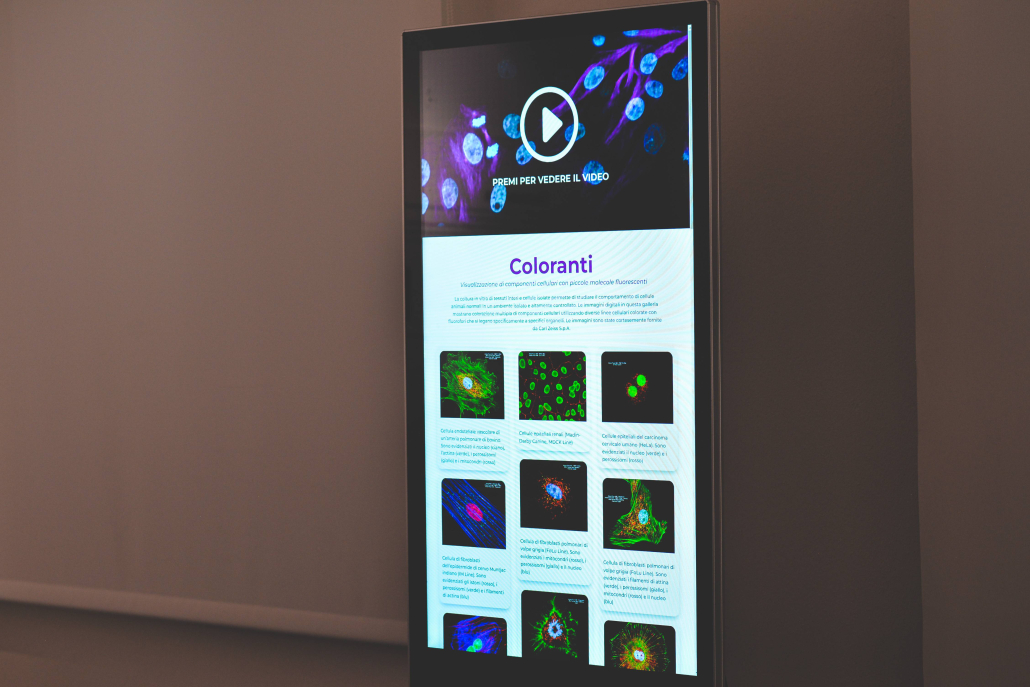
6. MAGNIFYING CELLS
Cells are the smallest structures to be classified as living beings. Understanding their structural characteristics and their mutual relationships is therefore of fundamental importance to the life sciences.
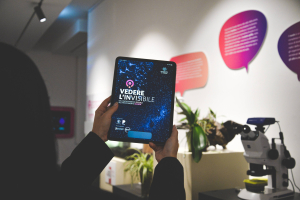
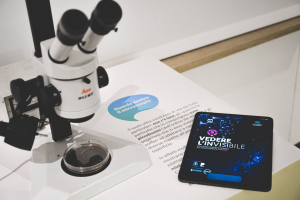
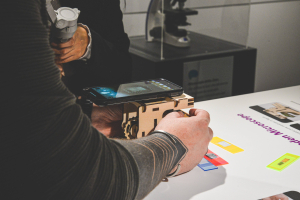
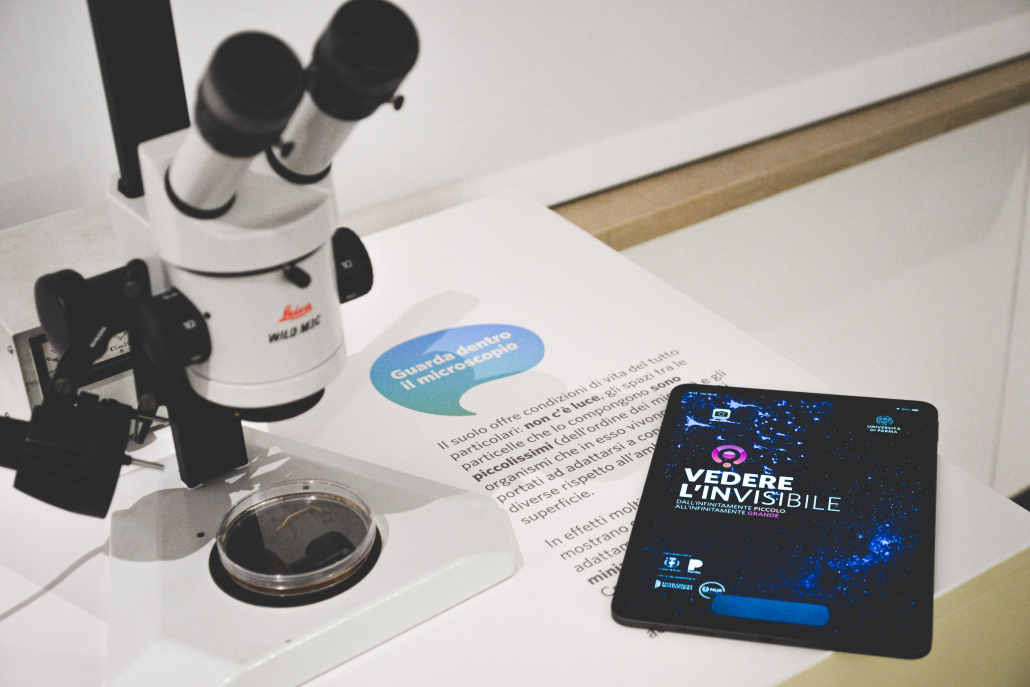
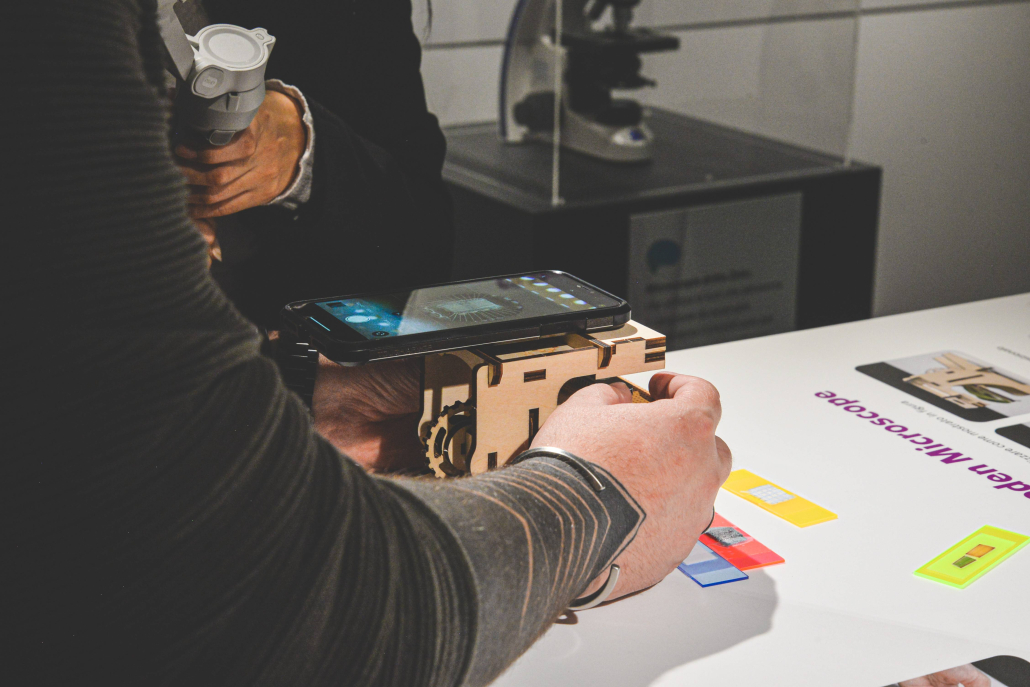
The starting point for the description of structures is the observation of them in order to understand their morphology. The exhibition includes historical microscopes that are valuable for our history, a modern super microscope and… a small portable microscope that you can try out by attaching it to your smartphone!
THE INVISIBLE BECAUSE HIDDEN
The third section concerns that which is invisible because it is hidden from view.
We thus move from the invisible within the human body, thus embryos and pathophysiological processes such as ageing, to the invisible because it is within the earth’s soil, to the invisible because it is immaterial, such as the collection of digital data on city parameters.
7. AT THE ORIGIN OF LIFE
What was I like inside my mother’s womb before I came into the world? How does it change in a few weeks? How does the structure of my organs change to enable me to acquire all the functions necessary to live outside the womb? Videos and 3D images show us the evolution of a human embryo’s growth at different stages of pregnancy.
8. LOOKING THROUGH: IMAGING
How do we function? What changes when we fall ill? Can we measure the effect of a therapy? Does a woman’s body function like a man’s? Can we hit targeted targets for treatment? How can we see them?
Inside the human body there is a world that speaks to us: it is up to researchers to learn how to interpret the messages that come in so many different ways and get new information about how we function, why we get sick, or whether a therapy is actually reaching its target.
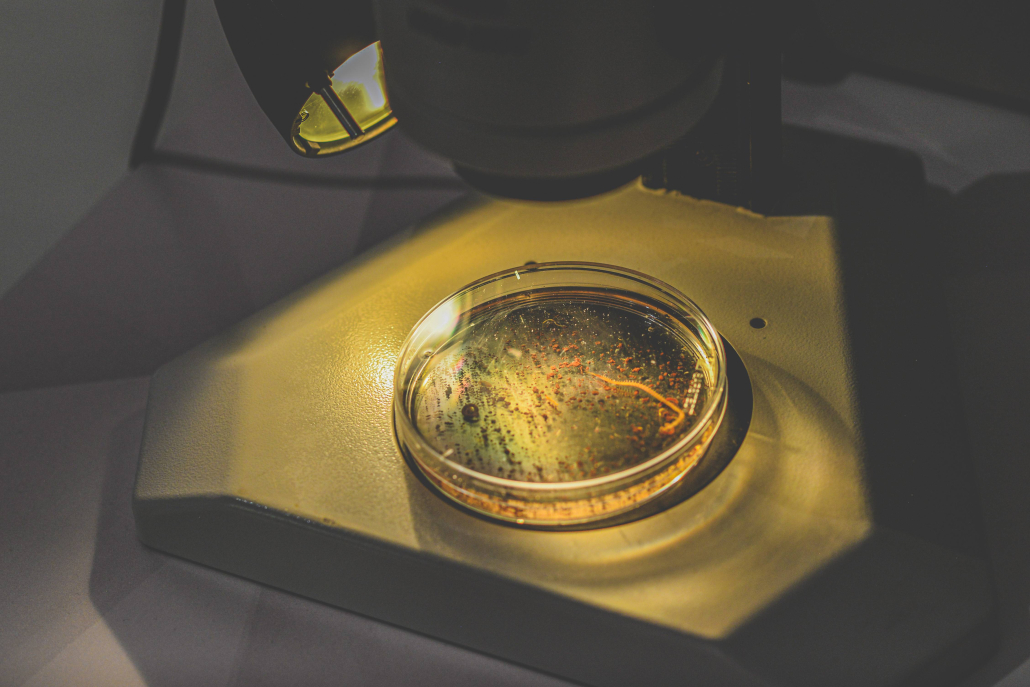
9. THERE IS LIFE IN THE SOIL
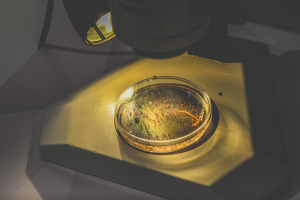
Generally regarded as an inert and unchanging mass, silent and therefore devoid of life, soil is on the contrary a constantly changing reality, a very complex living system extraordinarily rich in biodiversity, in which plant roots, microorganisms and animal organisms interact with each other and with the abiotic environment. Like the depths of the sea, caves or other ‘extreme’ environments that characterise the Earth, soil offers very special living conditions: there is no light, the spaces between the particles that make it up are very small, and the organisms that live in it have been forced to adapt to very different conditions compared to the surface environment.
Come and see some soil insects… alive!
10. THE DIGITAL CITY
The ancient city was built of stone, brick, concrete and wood. In it, the overlapping of different layers was clearly visible.
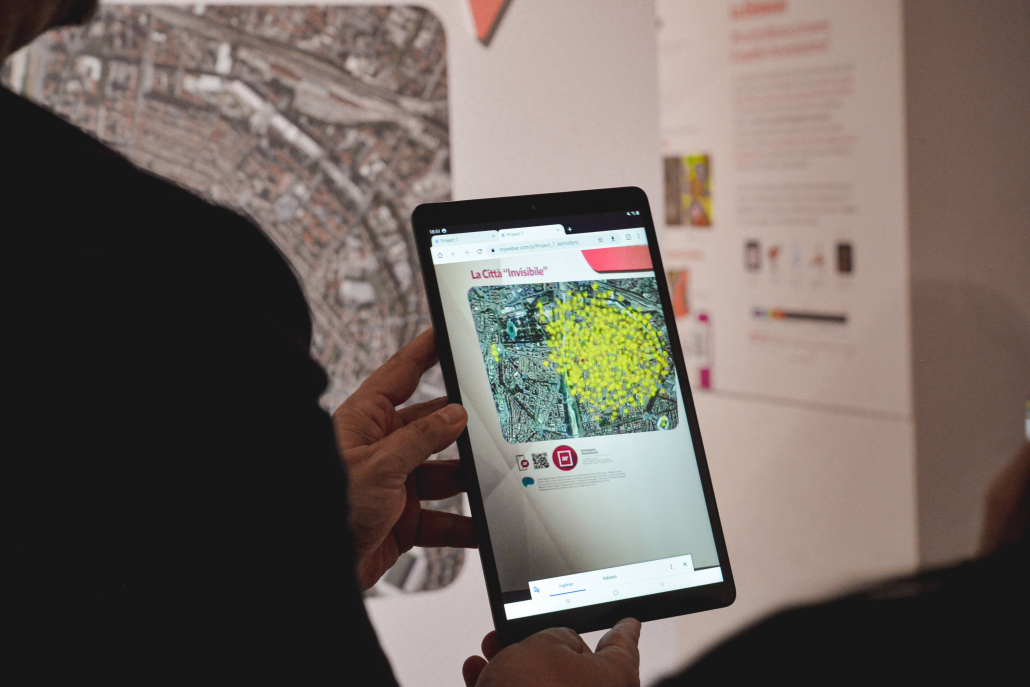
The contemporary city is also built of stone, bricks, concrete and wood, i.e. houses, public buildings, churches, museums and stations, but superimposed on its material layers is a new layer, which cannot be seen even though it is very concrete. It is composed of bits: it is the set of digital traces left by the devices that support the new models of intelligent, sustainable, ecological, circular cities. It is a layer composed of large amounts of data, continuously produced by the sensors that measure the city, by the cameras that monitor and even recognise citizens, but above all by the devices that every person who lives in the city carries in his or her pocket.
THE INVISIBLE BECAUSE FAR AWAY OR COMING FROM INFINITELY FAR AWAY OR INSENSITIVE TO OUR GAZE
The third section focuses on all that is invisible because it is infinitely far away or insensitive to our gaze, such as the surface of planets and black holes or coming from infinitely far from our gaze such as cosmic rays and gravitational waves.
11. THE INVISIBLE COLOURS OF PLANETS
What if I told you that we can explore the surface of rocky planets or unreachable areas of the Earth from the comfort of our computers? This is possible thanks to imaging spectrometers mounted on platforms ranging from aircraft to satellites orbiting the planets. The spectrometers measure the electromagnetic radiation reflected from the surface. Remote interpretation of the data uses libraries of spectra measured in the laboratory on various known terrestrial materials.
12. MESSENGERS FROM THE COSMOS
Cosmic rays are stable elementary particles, which pass through the universe guided by electrical and magnetic forces. They also pass through the Earth and our bodies all the time, but we are not aware of them. But here our Fog Camera will show them to you…
13. GRAVITATIONAL OBSERVATORIES
The theory of general relativity, developed by Albert Einstein in the first 20 years of the last century, has completely changed our description of the world in which we live and in which physical phenomena occur: Space and time are one. We understand how through evocative videos and images!
14. THE INFINITELY LARGE AND THE INFINITELY SMALL IN CHILDREN’S DI-SIGNS
The exhibition ends with the contribution of pre-school children who, through their ‘di-signs’, tell us and make visible their thoughts on the ‘infinitely large’ and ‘infinitely small’.
15 SCIENCE AND THE IMAGINARY. WRITING, DRAWING, THINKING THE INVISIBLE
A transversal section, consisting of various ‘stations’ scattered along the route, accompanies the visitor by showing particular moments and figures in which the idea of the unveiling of the invisible by scientific discoveries stimulated artists, writers and philosophers.